
Washed vs Natural vs Honey: A comparison of cup profiles from Ethiopia and Colombia
by Franz Morish
·
Summary: the quick comparison
A quick overview for those who want to get straight to the point – ideal if you're torn between washed vs. natural and honey processed:
- Washed: Clarity, precise acidity, clean floral and citrus notes; light to medium body; ideal for filter coffee and bright, precise espresso profiles.
- Natural (dry processing): Pronounced fruit and sweetness, stronger body, sometimes fermented notes; polarizing, can be spectacular or too "funky".
- Honey (mucilage partially retained): Sensorially between the two; round, velvety body, sweet, often honey, caramel and stone fruit; good balance.
- Ethiopia (Yirgacheffe, Sidamo): Often floral, bergamot-like, tea-like nuances (washed); in natural: strawberry, blueberry, tropical fruit with higher sweetness.
- Colombia (Huila, Nariño): Balanced sweetness (Panela), red fruits, chocolate; washed clear and versatile, honey/natural often jammy, velvety.
- Filter vs Espresso: Washed emphasizes clarity in filter coffee; Naturals shine in pour-over and fruity espresso signatures; Honey is an all-rounder.

What do Washed, Natural, and Honey mean?
Processing steps and their effects on sensory perception
Coffee preparation shapes the cup profile as much as variety and origin. In short:
- Washed: Ripe cherries are pulped, the mucilage is removed through fermentation and/or mechanical means, then washed and evenly dried. Result: High clarity, light to medium body, defined acidity – ideal for showcasing the pure character of origin and variety.
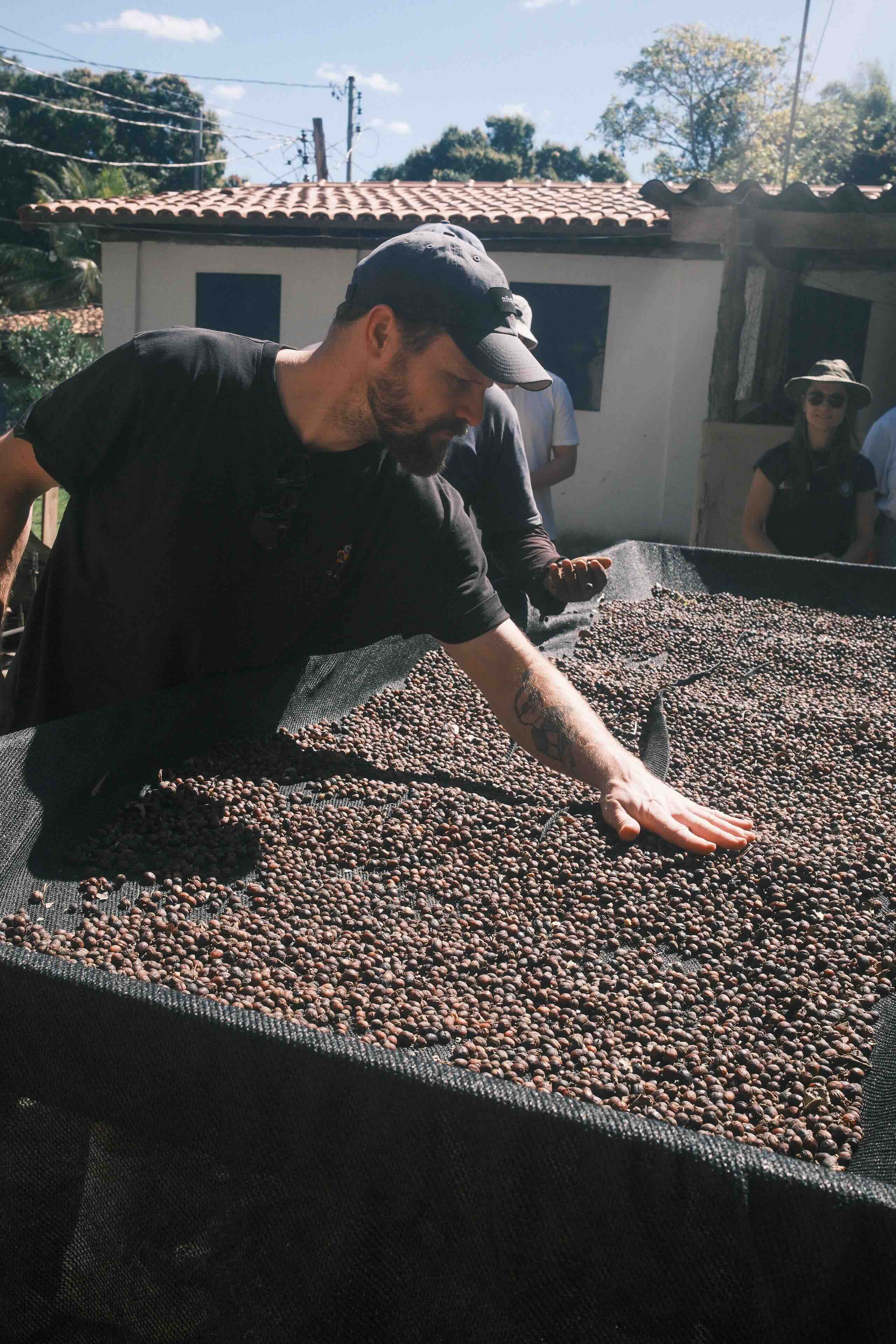
- Natural: Whole cherries are dried in their skins on beds or patios. The fruit sugar diffuses into the interior of the bean. Result: Significantly more sweetness and fruitiness, a stronger body, a softer overall impression – but also a higher risk of off-flavors if the drying process is suboptimal.
- Honey: After pulping, some mucilage remains on the bean (yellow/red/black honey depending on the amount and drying time). Result: More sweetness and body than washed beans, cleaner and less "wild" than natural beans, very smooth in the mouthfeel.
In terms of sensory perception: the more fruit contact during drying, the higher the sweetness and body – but the clarity and “transparency” of the acidity tend to decrease.
Risks, defects and quality control
The longer the beans are in contact with the fruit, the more important hygiene and process control become:
- Drying: The goal is 10–12% residual moisture and stable water activity. Drying too quickly leads to case hardening, while drying too slowly promotes mold and fermented off-flavors.
- Defects: With natural/honey potatoes, fermented, alcoholic, or musty notes can develop if the sorting (removing floaters), turning frequency, and air circulation are not correct. With washed potatoes, an earthy or flat taste can result if they remain wet for too long.
- Quality control: Careful hand sorting, close monitoring (Brix, pH), homogeneous drying beds and coverings (African Beds) are key. Top lots from Ethiopia and Colombia set the standard here.
Focus on origin: Ethiopia vs. Colombia
Ethiopia (Yirgacheffe, Sidamo): typical profiles
Ethiopian coffee is synonymous for many with delicate, floral cup profiles. In Yirgacheffe and Sidamo, landraces (heirloom varieties) are often grown at altitudes of 1,800–2,200 m. This results in a pronounced, often elegant acidity, complex aromas, and a tea-like mouthfeel.
- Washed: Jasmine, bergamot, lemon/lime, white peaches; crystal-clear structure and very clean, crisp acidity.
- Natural: Strawberry, blueberry, ripe apricot, sometimes tropical fruit; sweet, creamy body, but less “transparent” acidity.
- Honey: Intermediate notes: floral sweetness, stone fruit, honey, often velvety drinkability and very pleasant balance.
Colombia (Huila, Nariño): typical profiles
Colombian coffee from Huila and Nariño often yields a natural sweetness (panela, caramel) with red fruit notes and a rounded body. The altitudes are similar, with cool nights and sunny days – ideal for dense beans and stable acidity.
- Washed: Red apple and berry notes, milk chocolate, caramel; very balanced and versatile in filter and espresso.
- Natural: Jammy red fruits, cocoa, some tropical hints; full body, soft acidity.
- Honey: Delicately caramel-like, stone fruit, often with floral notes in varieties like Pink Bourbon; nice grip without bitterness.
How region and variety interact with processing
Processing never works in a vacuum. Varieties like heirloom Ethiopians emphasize floral and citrus notes, which a washed process brings out particularly clearly. In Colombia, washed wines often highlight the core strengths of Caturra, Castillo, or Tabi (sweetness, red fruits), while natural/honey wines enhance the fruitiness and add more richness to the cup profile. Altitude and drying conditions determine how "clean" natural wines turn out—dry, well-ventilated days are invaluable.
Sensor technology in detail
Aroma, acidity, sweetness, body – which dominates?
- Washed: Aroma clear and fine, acidity pronounced (citrus, apple), sweetness moderate to high (nectar), body rather light to medium, aftertaste clean.
- Natural: Aroma fruity (berry, stone fruit, tropical), acidity softer, sweetness high, body medium to full, finish fruity-sweet.
- Honey: Aroma round, often honey/caramel + fruit, acidity medium and friendly, sweetness high, body silky, finish harmonious.
Example cupping notes and expectation management
- Ethiopia Yirgacheffe washed: Jasmine, bergamot, white peach, lemon zest; crystal-clear structure, tea-like, very elegant.
- Ethiopia Sidamo natural: Strawberry, blueberry, cocoa, tropical sweetness; creamy body, soft acidity, lively sweetness.
- Colombia Huila honey: Red currant, caramel, yellow peach; velvety, balanced, versatile.
Expect differences depending on the roast level: Lighter roasts focus on acidity and terroir; slightly darker roasts emphasize body and chocolate/caramel notes – particularly relevant for espresso recommendations.
Brew guides after preparation
Filter: Recipes and mill adjustments
Generally for Pour-Over (V60, Kalita, Origami): 94–96°C water, soft profile (approx. 50–80 ppm), fresh grind, even extraction.
- Washed (clear acidity): 15 g coffee, 250 g water (1:16.7), total brewing time 2:45–3:00. Grind: rather fine for sufficient extraction. Two to three infusions, moderate agitation. Goal: crisp, clean cup.
- Honey (balanced): 15 g, 240–255 g water (1:16–17), 3:00–3:15. Grind: medium. Short bloom (30–40 s), then two even infusions. Goal: Sweetness and body without bitterness.
- Natural (high sweetness/body): 15 g, 255–270 g water (1:17–18), 2:50–3:10. Grind: slightly coarser to avoid over-extraction of fruit polyphenols. Stir gently, use a soft flow – prevents cloudiness.
Fine-tuning your grinder: If the cup tastes dull or muffled, grind a little finer. For a bitter, dry cup, grind coarser and/or use less agitation. With natural coffees, a longer bloom (40–50 seconds) ensures a more even extraction.
Espresso: dose, ratio, temperature tuning
Starting point: IMS/VST basket, fresh beans (7–21 days after roasting), temperature stability.
- Washed (light): 18 g in, 40–45 g out (1:2.2–1:2.5) in 26–30 s at 93–94°C. Target: clear acidity, sweet core, low bitterness. If acidity is too sharp: increase temperature by 0.5–1°C, adjust ratio towards 1:2.5.
- Honey: 18 g in, 36–42 g out (1:2–1:2.3) in 25–30 s at 92–93°C. Seek the center: creamy body, caramel, stone fruit. Avoid channeling: careful distribution.
- Natural: 18 g in, 38–44 g out (1:2.1–1:2.4) in 26–30 s at 91.5–92.5°C. Emphasize fruitiness and sweetness, keep bitterness in check. A short pre-infusion (3–5 s) may be necessary for even extraction.
Milk drinks: Colombia washed/honey delivers classic chocolate caramel cappuccinos; Ethiopia natural opens fruity flat whites with a strawberry note.
Seasonality and freshness
Harvest window Ethiopia & Colombia
Ethiopia: Main harvest roughly from November to February, followed by processing and export – first arrivals typically from late spring to summer. Colombia: Main and mid-harvest times vary regionally; fresh lots are often available year-round, with peaks in spring and autumn. This ensures continuous availability – ideal if you are specifically looking for Ethiopian or Colombian coffee.
Storage, residual moisture, re-roasting strategies
Green coffee benefits from cool, dry storage in GrainPro/Ecotact and a stable climate. Roasters pay attention to residual moisture (10–12%) and water activity; both influence the aging rate and roastability. As the coffee ages (6–9 months after arrival), the roast can be made slightly tighter (shorter Maillard cycle, slightly earlier development phase) to preserve sweetness and avoid dry notes. In the cup, adjusting the grind (slightly finer) and a gentler brewing technique is recommended.
After roasting, filter coffee often tastes clearest from day 3–10, espresso most stable from day 7–21. Store opened bags in a cool, dark place with minimal air circulation – smaller containers minimize aroma loss.
Buyer's Guide (BOFU)
What to consider when labeling (lot, score, process details)
- Lot & Traceability: Microlots, farm or cooperative name, elevation, variety. Precise origin (Yirgacheffe, Sidamo, Huila, Nariño) helps with managing expectations regarding the cup profile.
- Process details: Washed vs natural vs honey clearly named, fermentation information (e.g. anaerobic) transparent, drying method (Raised Beds/Patio), duration.
- Quality: SCA score (≥ 84 for specialty coffee), harvest year, arrival date, roasting date. Optional: Moisture/aW values as a reliability indicator.
Price-performance ratio and sustainability (direct trade, certificates)
Good value for money doesn't mean "cheap," but rather fairly paid with high process reliability. Direct trade relationships create predictability and quality assurance; certifications (organic, Fairtrade, Rainforest) can provide additional value, but don't replace transparency. Ensure clear communication about the farm, the cooperative, and long-term partnerships.
Where to try in Leipzig and the surrounding area
In Leipzig, you'll find specialty cafés and roasters, especially in neighborhoods like Plagwitz and Südvorstadt. Many offer cuppings, guest espressos, and rotating selections of filter coffees—ask about processing methods, origin, and ideal brewing parameters. Within a 45-km radius, a trip to Halle (Saale) is worthwhile for even more options. Tip: Try a flight of washed, natural, and honey coffees from the same harvest—this way you can directly experience the impact of the processing. Search terms like "Leipzig coffee roastery," "filter coffee recommendation," or "espresso recommendation" will help with planning.
FAQ
What is the difference in taste between Washed, Natural and Honey?
Washed emphasizes clarity and acidity with floral and citrus notes. Natural delivers more fruit, sweetness, and body, sometimes with hints of fermentation. Honey lies in between: rounder, sweeter, often with honey or caramel notes.
How do Ethiopia and Colombia differ in their cup profile?
Ethiopian grapes (e.g., Yirgacheffe, Sidamo) often exhibit floral, bergamot, and stone fruit notes. Colombian grapes (Huila, Nariño) offer balanced sweetness, red fruit, and chocolate. Processing enhances these tendencies.
When is the best time to buy these coffees?
Ethiopia harvests roughly from November to February, with arrivals mostly in spring/summer. Colombia has a main and mid-harvest period, and fresh lots are often available year-round. Buy close to the arrival date and pay attention to the roast date and storage conditions.
Where can I try such coffees in Leipzig and the surrounding area?
In specialty cafes and roasteries in Leipzig (including Plagwitz and Südvorstadt) and within a 45-km radius in cities like Halle (Saale). Ask about processing, origin, and cupping options.
Next steps: Start with one washed and one natural coffee each from Ethiopia and Colombia, note your impressions, and adjust brewing parameters. Roastery blogs, SCA resources, and cupping guides are recommended reading.
